
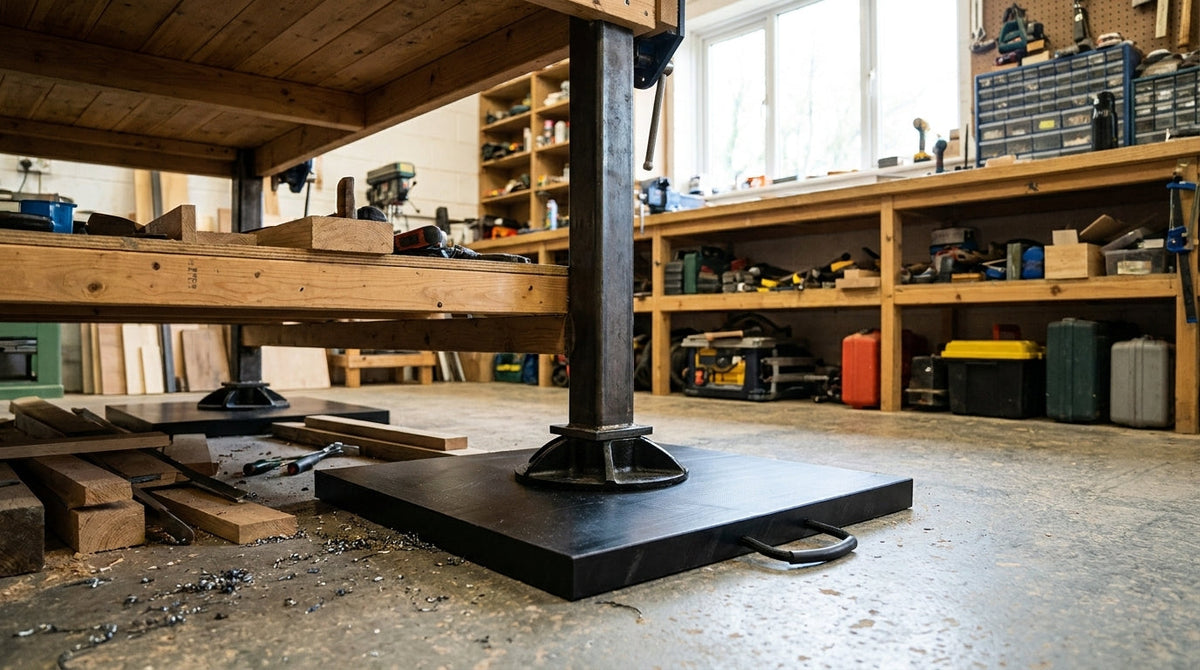
Ultimate Guide to Crane Pad: Complete Selection & Safety
Crane pads are essential safety components that distribute crane outrigger loads across ground surfaces. These engineered supports prevent ground failure, equipment damage, and jobsite accidents by spreading concentrated loads over larger areas. Proper crane pad selection requires matching load capacity, material properties, and dimensions to specific lifting conditions.

What Are Crane Pads and Why Do They Matter?
Crane pads serve as load-distributing platforms beneath crane outriggers. Without proper support, outrigger forces can exceed ground bearing capacity. This leads to equipment tipping, property damage, and worker injuries.
Modern crane pads use engineered polymers like HMWP (High Molecular Weight Polyethylene) and HDPE (High Density Polyethylene). These materials offer superior strength-to-weight ratios compared to traditional timber or steel alternatives.
The physics are straightforward: crane pads reduce ground pressure by increasing contact area. A 12-tonne outrigger load on 400x400mm pad creates approximately 0.75 N/mm² ground pressure. The same load without a pad concentrates forces into a much smaller footprint.
For smaller lifting operations, 5 tonne engineered crane support pads provide adequate load distribution for compact equipment.

How to Choose the Right Crane Pad Material
Material selection affects durability, weight, and performance characteristics. Each polymer type offers distinct advantages for specific applications.
HMWP crane pads excel in heavy-duty applications. This material resists impact damage and maintains structural integrity under repeated loading. HMWP pads typically handle higher load ratings while remaining lightweight for manual handling.
HDPE options provide excellent chemical resistance and non-marking properties. These pads work well in sensitive environments where surface protection matters. HDPE maintains consistent performance across temperature ranges from -40°C to +80°C.
Both materials offer UV stability for outdoor storage. Neither requires special handling procedures or generates hazardous waste during disposal. Polymer crane pads won't splinter, rot, or corrode like traditional alternatives.
Crane Pad Load Ratings and Safety Factors
Load rating determines maximum safe working loads for crane pad applications. Manufacturers test pads under controlled conditions to establish these limits.
Safety factors account for dynamic loads, impact forces, and material degradation over time. Most quality crane pads incorporate safety factors between 2:1 and 4:1 above stated working loads.
For medium-duty applications, 12 tonne crane support systems provide reliable load distribution with integrated recessed designs that prevent outrigger slippage.
Never exceed manufacturer load ratings. Ground conditions, pad age, and environmental factors can reduce actual capacity below laboratory test results. When in doubt, specify higher-capacity pads or multiple pad configurations.

Standard Sizes and Thickness Requirements
Crane pad dimensions directly affect load distribution effectiveness. Larger pads spread loads over greater areas but increase handling weight and storage space.
Common thickness ranges from 20mm to 50mm depending on load requirements. Thicker pads resist deflection under load but add significant weight. Most applications work well with 30-40mm thickness specifications.
Standard sizes include:
- 300x300mm for compact equipment
- 400x400mm for general lifting
- 500x500mm for heavy-duty operations
- 600x600mm for maximum load distribution
| Feature | Light Duty (5T) | Medium Duty (8-12T) | Heavy Duty (15T+) | |---------|----------------|--------------------|-----------------| | Typical Size | 300x300mm | 400x400mm | 500x500mm+ | | Thickness | 20-30mm | 30-40mm | 40-50mm | | Material | HDPE/HMWP | HMWP preferred | HMWP required | | Weight | 2-4kg | 6-8kg | 12-15kg | | Best For | Mobile cranes | General construction | Heavy lifting |
Recessed vs Flat Crane Pad Designs
Recessed crane pads feature machined depressions that locate outrigger feet precisely. This design prevents lateral movement during lifting operations.
Flat pads offer versatility for various outrigger shapes and sizes. They work with round, square, or irregular foot configurations. Flat designs typically cost less and stack efficiently for transport.
Recessed designs provide superior safety through positive outrigger location. The depression captures the outrigger foot and prevents sliding on sloped surfaces. For critical lifts, 8 tonne non-marking recessed pads offer enhanced stability with surface protection properties.
Choose recessed pads when outrigger foot dimensions match available recess sizes. Specify flat pads for maximum versatility or when exact outrigger dimensions are unknown.

Storage and Maintenance Best Practices
Proper storage extends crane pad service life and maintains load-bearing properties. Store pads on flat surfaces away from sharp objects that could cause surface damage.
Stack pads with protective layers between surfaces. Cardboard, fabric, or thin foam prevents scratching during storage. Avoid stacking heights that could cause deformation under weight.
Regular inspection identifies damage before it compromises safety. Check for cracks, gouges, or excessive wear patterns. Replace damaged pads immediately rather than risk equipment or personnel safety.
Clean pads with water and mild detergent. Avoid petroleum-based solvents that might affect polymer properties. Allow complete drying before storage to prevent contamination buildup.
Frequently Asked Questions
What size crane pad do I need for my equipment? Match pad dimensions to your outrigger foot size plus 50-100mm overhang on all sides. Check manufacturer load charts for specific capacity requirements based on crane configuration and lifting radius.
Can I stack multiple crane pads for extra thickness? Stacking pads reduces load distribution effectiveness and creates potential slip planes. Use single pads with appropriate thickness ratings rather than multiple thin pads for best performance.
How often should crane pads be replaced? Replace pads showing visible damage, excessive wear, or deformation. With proper use and storage, quality polymer pads typically provide 3-5 years of service in commercial applications.
Do crane pads work on all ground types? Crane pads improve load distribution on most surfaces but cannot overcome fundamental ground bearing capacity limitations. Soft soils may require additional support measures like timber mats or engineered foundations.
What's the difference between HMWP and HDPE crane pads? HMWP offers higher impact resistance and load capacity. HDPE provides better chemical resistance and non-marking properties. Both materials offer excellent durability and UV resistance for outdoor applications.
Bottom Line
Crane pad selection requires matching load capacity, material properties, and dimensions to specific lifting conditions. Quality polymer pads prevent accidents while reducing equipment wear and ground damage. For reliable performance across various applications, consider lightweight HMWP options or heavy-duty 12 tonne systems based on your operational requirements. Invest in proper crane pads to protect equipment, personnel, and project schedules.